
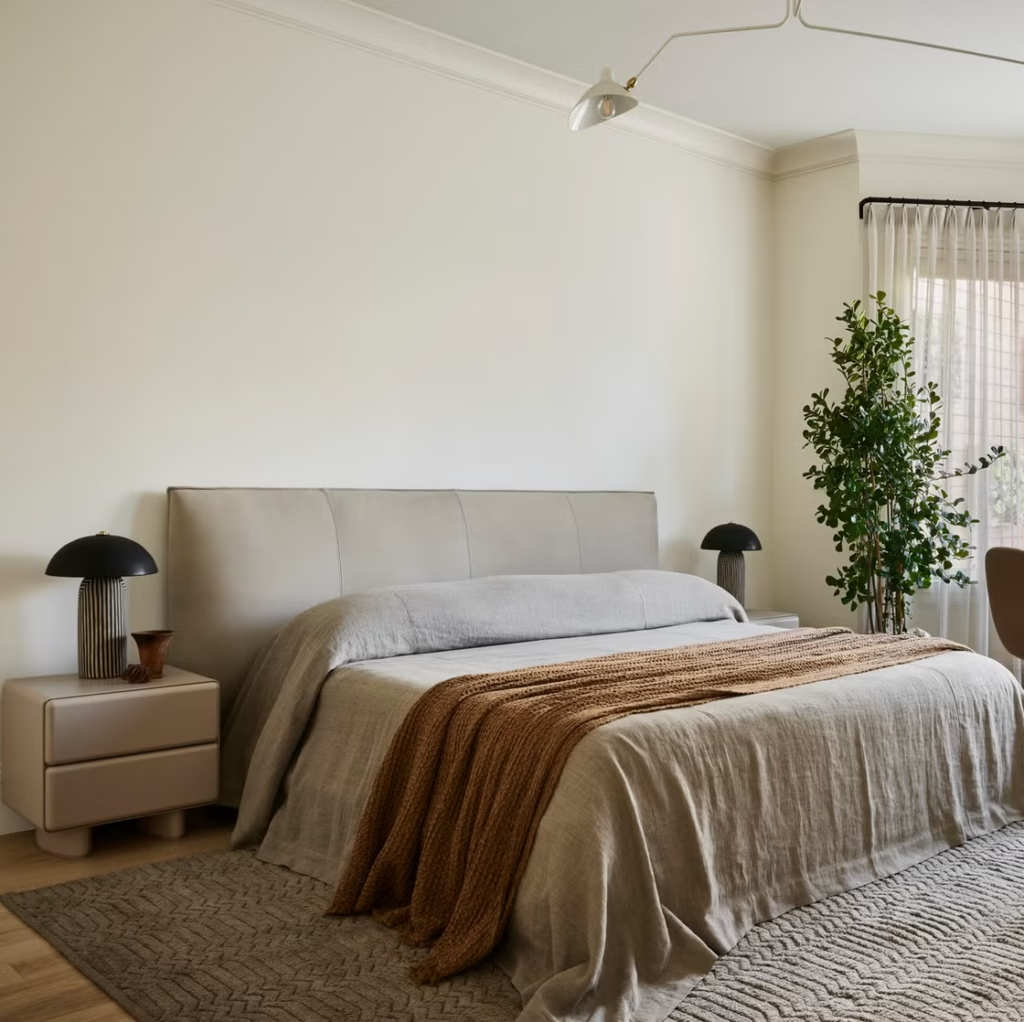
1. Neutral Color Palette
A neutral color palette instantly creates a serene and clean aesthetic in your bedroom. Shades of white, beige, and soft gray can make the space feel airy and uncluttered. Pairing walls, bedding, and furniture in these hues creates harmony and highlights minimalist design. Accessories should remain subtle, ensuring nothing overwhelms the visual flow. Neutral tones also act as a versatile base, making it easy to update your bedroom style with small accent pieces over time.
Using a consistent color scheme simplifies decorating decisions and maintains a cohesive look. Minimalist bedrooms thrive on calm, understated tones that evoke relaxation. Neutral walls and flooring provide a perfect canvas for adding textures like linen curtains, wool rugs, or wooden furniture. The absence of bold colors reduces visual clutter, allowing natural light to enhance the space. Overall, a neutral palette fosters a peaceful environment, making it ideal for anyone seeking a clean and minimalist bedroom design.

2. Floating Bed Design
A floating bed design gives the illusion of more space while maintaining a sleek look. By mounting the bed off the floor or using a low-profile platform, you create an open area beneath it, which enhances a clean aesthetic. This style minimizes visual clutter and emphasizes simplicity. Paired with streamlined bedding and minimal furniture, floating beds contribute to a modern and airy feel, perfect for small or minimalist bedrooms.
The simplicity of a floating bed emphasizes room geometry and light flow. With fewer pieces touching the floor, cleaning becomes easier, and the room feels more organized. This design works well with monochromatic bedding or natural textures like linen. Adding subtle bedside lighting or wall-mounted nightstands maintains functionality without sacrificing aesthetics. Floating beds combine practicality with minimalist elegance, making them a standout choice for a clean bedroom layout.
:strip_icc()/AlexandraRowley_DesignbyStudioDB_OneVandam-ebaa25c4443b43fb99e5490533d8af74.jpg)
3. Minimalist Wall Art
Minimalist wall art, such as simple line drawings or monochrome prints, complements a clean bedroom aesthetic. Avoid overcrowding walls and focus on one or two impactful pieces. The goal is to enhance the space without drawing attention away from the simplicity of the room. Frame choices should be subtle, preferably in neutral shades, so the artwork integrates seamlessly with the environment.
Artwork placement is crucial for a minimalist bedroom. Centering pieces above the bed or on a single accent wall maintains balance and proportion. Minimalist prints create a visual focal point without adding noise. This approach allows other design elements, like bedding or lighting, to shine. By selecting clean, simple designs, your walls can enhance the overall serenity and sophistication of the bedroom, reinforcing the minimalist theme.
:strip_icc()/ENTRANCEMAKLERI-54182b5900ae4a7fa1c5d3288b0ddafd-1a896021a4dd4db6a6175933e7ee91cd.jpg)
4. Hidden Storage Solutions
Hidden storage solutions are essential for a clutter-free minimalist bedroom. Use under-bed drawers, built-in shelving, or concealed cabinets to keep personal items out of sight. This approach reduces distractions, allowing the room’s clean lines and simple design to shine. Organized storage ensures functional minimalism while maintaining the aesthetic appeal of the space.
Optimizing storage behind furniture or within walls prevents visual clutter and enhances room flow. Minimalist design prioritizes open space, so every item should have a designated, discreet place. Storage can include pull-out drawers, hidden wardrobes, or storage ottomans. By keeping essentials accessible yet hidden, you achieve a polished, orderly bedroom where surfaces remain clear, supporting both style and peace of mind.

5. Natural Light Emphasis
Maximizing natural light enhances a minimalist bedroom’s clean aesthetic. Large windows or sheer curtains allow sunlight to brighten the space, creating warmth and openness. Avoid heavy drapes that block light or add unnecessary visual weight. Natural light accentuates neutral tones and minimal furnishings, making the room feel spacious and welcoming.
Lighting placement also impacts minimalist design. Consider keeping windows uncluttered and positioning mirrors to reflect light. Soft morning sunlight can energize the room, while evening shadows add depth. Incorporating light effectively reduces reliance on artificial lighting, maintaining simplicity. Prioritizing natural illumination complements minimalism, emphasizing airy textures, subtle color schemes, and the serene ambiance that defines a clean bedroom aesthetic.

6. Sleek Furniture Lines
Opt for furniture with sleek, straight lines and minimal ornamentation. Avoid bulky or overly decorative pieces that distract from the room’s simplicity. Low-profile beds, plain dressers, and thin-legged tables keep the space visually light. Furniture should complement the clean aesthetic while remaining highly functional.
Sleek furniture enhances the sense of order in a minimalist bedroom. Choosing pieces in neutral tones or natural materials further reinforces harmony. Integrated storage or multifunctional furniture reduces clutter while maintaining visual balance. By selecting design-forward yet simple furniture, you maintain a cohesive and polished look. This approach prioritizes form and function, ensuring that every item contributes to the clean and minimalist atmosphere of the room.
7. Monochromatic Bedding
Monochromatic bedding reinforces a minimalist look by reducing visual complexity. Choose one color or subtle variations of the same shade for sheets, pillowcases, and blankets. This strategy simplifies styling decisions and creates a sense of continuity throughout the room.
Layering textures in a monochromatic palette adds depth without introducing clutter. Linen, cotton, and wool in similar tones can make the bed inviting while staying minimalist. Monochrome bedding works well with natural wood or metal furniture and complements neutral walls. The result is a serene and cohesive bedroom where simplicity and comfort coexist beautifully.
8. Open Floor Space
Maintaining open floor space is crucial for minimalist design. Avoid overcrowding the room with furniture or decor. Clear pathways and unobstructed areas make the bedroom feel larger and more breathable, enhancing the clean aesthetic.
Open floors also emphasize key design elements, such as a floating bed or a statement piece of art. Minimal rugs or carefully placed mats prevent visual clutter. By allowing space to “breathe,” your bedroom achieves a sense of calm and order, aligning with the principles of minimalism and creating a more inviting, functional environment.
9. Subtle Accent Pieces
Incorporate subtle accent pieces to add personality without overwhelming the minimalist design. This could be a small plant, a neutral throw, or a single decorative object. Focus on quality over quantity to maintain balance.
Accent pieces can introduce texture, warmth, or contrast, enriching the room without compromising simplicity. Strategically placed items, such as a bedside lamp or a low-profile vase, enhance aesthetics while keeping the space uncluttered. Thoughtful accents elevate the room’s style, adding interest and depth while staying true to a minimalist approach.
10. Textured Materials
Using textured materials adds dimension to a minimalist bedroom. Linen bedding, wool rugs, and wooden furniture create visual interest while keeping a simple color scheme. Texture prevents the room from feeling flat or sterile.
Layering textures subtly encourages tactile engagement and comfort. Mix smooth and rough surfaces, such as a sleek wooden table with a soft knit throw. This approach enhances warmth and coziness in a clean aesthetic, giving the bedroom character while remaining uncluttered and refined.
11. Minimalist Lighting
Select minimalist lighting fixtures to maintain a clean look. Simple pendant lights, wall-mounted sconces, or slim floor lamps complement the room without drawing unnecessary attention. Lighting should be functional yet unobtrusive.
Lighting placement is key to highlighting minimalist features. Consider dimmable or indirect lighting to create ambiance. Clean lines and neutral finishes allow fixtures to blend seamlessly with the bedroom’s aesthetic. Minimalist lighting enhances mood and visibility while supporting the uncluttered design principles central to a clean bedroom.
12. Decluttered Surfaces
Keep surfaces like nightstands, dressers, and shelves free from excess items. A decluttered approach aligns with minimalist principles, ensuring each object has a purpose and contributes to the room’s aesthetic.
Reducing surface clutter promotes calmness and organization. Store personal items in drawers or hidden storage solutions. Maintaining clean surfaces reinforces the sense of space, highlighting design elements and natural light. A decluttered environment is essential for achieving a serene, minimalist bedroom.
13. Simple Window Treatments
Choose simple window treatments like sheer curtains, blinds, or roller shades. Avoid heavy fabrics or layered drapes that disrupt minimalism. Clean lines and soft textures maintain openness and light flow.
Minimalist window treatments enhance privacy without overpowering the room. Neutral colors blend with walls, and streamlined hardware contributes to the clean aesthetic. By keeping windows simple and functional, the bedroom feels brighter, more spacious, and visually uncluttered.
14. Greenery Touch
Introduce minimal greenery with small potted plants or succulents. Plants add freshness and life to the bedroom while maintaining a clean aesthetic. Keep plant choices simple and low-maintenance.
Strategic placement of plants, such as on a nightstand or windowsill, enhances visual appeal without clutter. Greenery provides a natural focal point and brings a calming effect to the space. Minimal plants balance the sterile elements of a minimalist room, creating a healthy and aesthetically pleasing environment.
15. Functional Decor
Functional decor serves both purpose and style, such as a stylish clock, a simple mirror, or storage baskets. Each item should be purposeful to avoid visual clutter while complementing the minimalist theme.
By prioritizing function in decorative elements, every item adds value without disrupting the clean aesthetic. Functional decor ensures the room remains practical while maintaining order and simplicity. This approach blends utility with beauty, ensuring a minimalist bedroom feels both livable and visually harmonious.