
1. Minimalist Modern Dining
A minimalist modern dining room emphasizes clean lines, neutral colors, and functional furniture. Choose a simple rectangular table with sleek chairs and subtle décor to create a serene and airy environment. Keep accessories to a minimum, focusing on essential pieces like a centerpiece bowl or a small vase. Natural lighting enhances the minimalist vibe and ensures a calming atmosphere for dining experiences.
Incorporate hidden storage options to maintain a clutter-free look. Wall-mounted shelves or cabinets can provide practical space without disrupting the aesthetic. Use muted tones like beige, gray, or white to enhance the sense of openness. Accentuate the space with soft textiles, such as a wool rug or linen curtains, to add warmth and texture while keeping the overall design clean and refined.
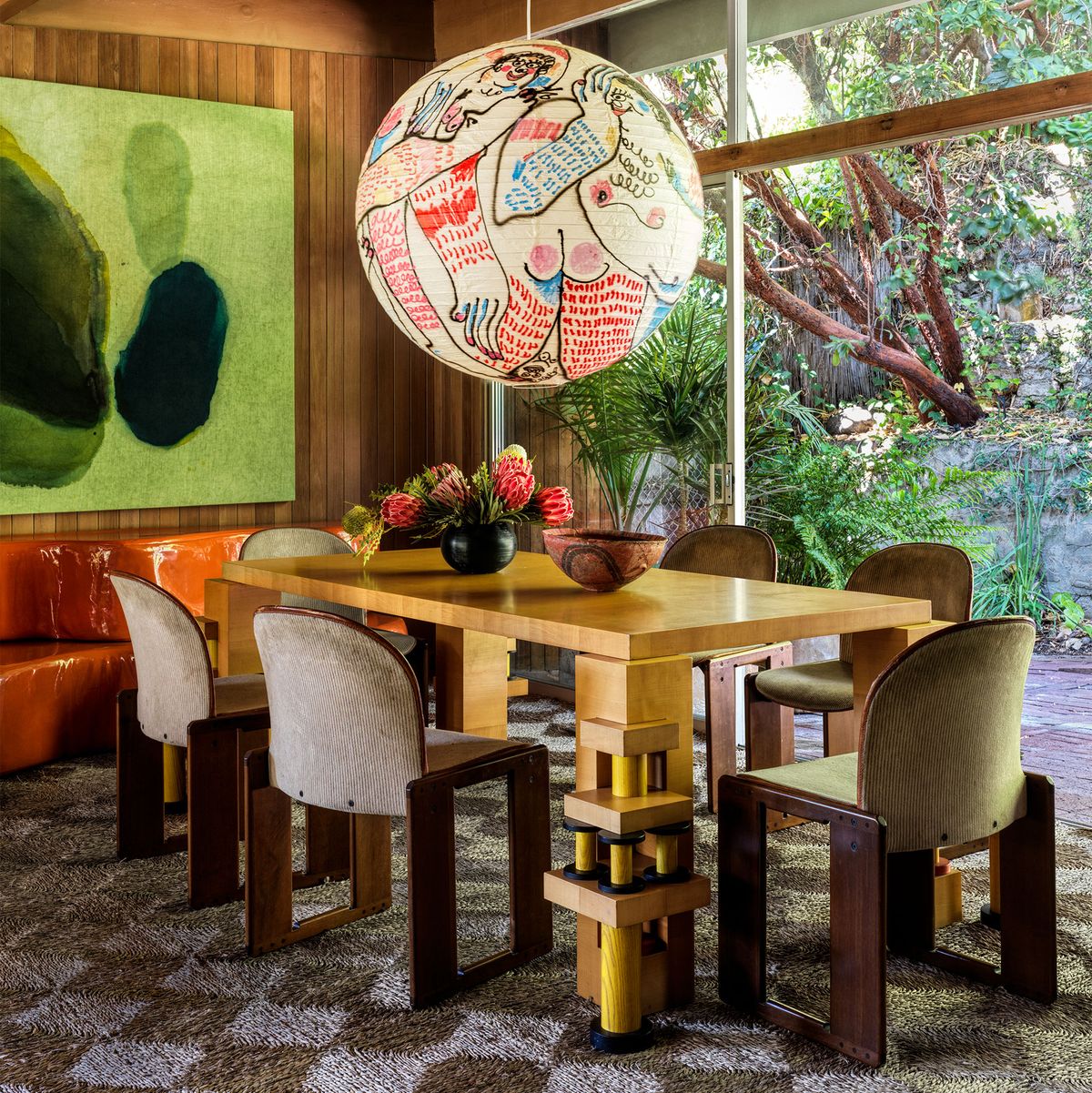
2. Rustic Farmhouse Style
Rustic farmhouse dining rooms combine warmth, texture, and charm. Wooden tables with visible grain, paired with vintage-inspired chairs, bring a cozy, welcoming atmosphere. Accent walls using reclaimed wood or exposed brick can enhance the rustic feel. Accessories like mason jar lighting, woven placemats, and antique décor add authenticity and comfort.
Natural fabrics like linen or cotton for table runners and cushions create softness against the rough wood surfaces. Incorporating greenery or potted plants enhances the natural theme. Use earthy colors like browns, muted greens, and creams to unify the space. The farmhouse style encourages a casual, lived-in feel that makes gatherings inviting and relaxed.
3. Scandinavian Elegance
Scandinavian dining rooms focus on simplicity, functionality, and natural light. Choose light wood furniture with soft pastel or white accents to achieve an airy, spacious feel. Minimalist décor, like simple pendant lights or geometric wall art, complements the serene aesthetic. A cozy rug under the dining table adds warmth without overwhelming the design.
Balance textures by combining wooden surfaces with soft fabrics. Linen or wool chair cushions enhance comfort while maintaining elegance. Large windows or mirrors amplify natural light, essential in Scandinavian interiors. Greenery and minimalistic table décor complete the space, creating an environment that is practical, stylish, and calming for everyday meals and entertaining.

4. Bold Contemporary
Contemporary dining rooms are all about bold statements and clean lines. Choose furniture with dramatic silhouettes or metallic finishes for a modern touch. Vibrant wall colors, abstract art, and modern light fixtures can serve as focal points. The combination of sleek materials, like glass and metal, adds sophistication and drama to the dining space.
Keep accessories minimal to let bold features shine. Incorporate mirrors to reflect light and enhance depth. A statement chandelier can anchor the table while reinforcing contemporary elegance. Color-blocked textiles, such as cushions or rugs, add visual interest. This approach blends simplicity with daring design, perfect for homeowners who want a trendy and striking dining room.
5. Industrial Chic
Industrial dining rooms use raw materials and urban-inspired details. Exposed brick walls, concrete floors, and metal chairs give the room an edgy, loft-like feel. Wooden tables with distressed finishes soften the starkness and provide a sense of warmth. Industrial-style lighting with metal finishes or Edison bulbs complements the overall aesthetic.
Balance rough textures with cozy elements, such as soft cushions or a patterned rug. Neutral tones, like gray and brown, are foundational, while occasional pops of color can enhance vibrancy. Open shelving with functional décor reinforces the industrial vibe. This style is ideal for those who appreciate a modern, creative, and slightly rugged dining atmosphere.
6. Classic Elegance
A classic dining room never goes out of style, featuring refined furniture, elegant fabrics, and traditional décor. A polished wooden table paired with upholstered chairs exudes sophistication. Crown molding, chandeliers, and decorative wall panels elevate the room’s grandeur. Symmetry in furniture placement ensures a balanced and harmonious environment.
Use luxurious textiles like velvet or silk for curtains and chair cushions. Accents such as gold or brass lighting fixtures and ornate tableware highlight elegance. Warm, neutral colors like cream, beige, and soft taupe create a timeless backdrop. Classic art pieces or mirrors complete the space, making it perfect for formal dinners and refined entertaining.
7. Coastal Vibes
Coastal dining rooms draw inspiration from the seaside, incorporating light colors, natural textures, and airy layouts. Whitewashed furniture, soft blue accents, and woven décor elements evoke a fresh, relaxing environment. Large windows or sheer curtains enhance light and create a breezy feel. Nautical-inspired accessories, such as shells or driftwood, complete the coastal aesthetic.
Integrate natural materials like rattan or wicker chairs and jute rugs. Light-colored wooden tables paired with pastel tableware create a harmonious palette. This design encourages a serene, cheerful atmosphere reminiscent of beachside living. Coastal interiors are ideal for homeowners seeking a light, airy, and welcoming dining space for everyday enjoyment and casual entertaining.
8. Glamorous Luxe
Glamorous dining rooms showcase opulence with sparkling finishes, elegant furniture, and bold accents. Crystal chandeliers, mirrored surfaces, and gold or silver details elevate the sense of luxury. Plush chairs and rich fabrics like velvet or silk add sophistication, while a marble or glossy dining table creates a stunning centerpiece.
Layer textures to enhance visual richness, combining glossy, metallic, and soft textiles. Statement lighting and bold decorative pieces can anchor the room while maintaining balance. Jewel tones such as emerald green, sapphire blue, or deep burgundy add richness. A glamorous dining room creates a sophisticated and stylish space perfect for hosting lavish dinners.
9. Eclectic Mix
Eclectic dining rooms mix colors, textures, and styles for a creative, vibrant vibe. Combine vintage and modern furniture, bold patterns, and diverse décor items to create a unique, personalized space. Artworks, mismatched chairs, or colorful rugs add a playful and inviting element.
Balance eclectic pieces with a consistent color palette to prevent chaos. Layering textures such as wood, metal, and fabric brings depth. Accessories, like statement lighting and tabletop décor, provide cohesion while enhancing personality. This style encourages experimentation, making the dining room expressive, lively, and a true reflection of the homeowner’s individuality.
10. Mid-Century Modern
Mid-century modern dining rooms feature clean lines, functional furniture, and a retro flair. Furniture often incorporates wood and tapered legs, while chairs have sleek upholstery. Minimalist décor, geometric patterns, and vintage-inspired lighting fixtures complete the look.
Incorporate warm tones like mustard, olive green, or burnt orange alongside neutral backgrounds. Art pieces or patterned rugs with simple designs complement furniture without overpowering the room. Open layouts and natural lighting enhance the airy feel. Mid-century modern interiors merge elegance with functionality, creating a stylish and timeless dining space.
11. Bohemian Chic
Bohemian dining rooms celebrate color, pattern, and a relaxed vibe. Mix vibrant textiles, eclectic furniture, and unique décor pieces to create a layered, inviting space. Natural elements like plants, woven rugs, and wooden tables contribute to warmth and comfort.
Balance patterns and textures to avoid visual clutter. Use bright cushions, wall hangings, or rugs as focal points while keeping larger furniture pieces neutral. Incorporate handcrafted accessories for personality and authenticity. Bohemian interiors are perfect for those who enjoy a free-spirited, cozy, and creative dining environment that encourages casual gatherings.

12. Transitional Style
Transitional dining rooms blend traditional and modern elements for a harmonious, elegant space. Classic furniture is paired with contemporary finishes and neutral tones. Lighting fixtures and art often feature subtle, modern design while complementing the traditional structure.
Layer textures using a mix of wood, glass, and textiles to create depth. Muted colors such as taupe, gray, and cream unify the space. Minimal yet purposeful décor ensures the room feels sophisticated but approachable. Transitional interiors provide the perfect balance, offering timeless elegance with a modern, updated flair.
13. Farmhouse Modern
Farmhouse modern combines rustic charm with contemporary simplicity. Wooden dining tables, neutral upholstery, and sleek lighting fixtures create a cozy yet stylish environment. Accent walls with shiplap or distressed finishes enhance character without overwhelming the space.
Use natural textiles like linen or cotton for table runners and seat cushions. Minimalistic décor in earthy tones balances rustic elements, while functional storage maintains tidiness. Farmhouse modern dining rooms are versatile, offering warmth and style ideal for family meals and casual entertaining in a modernized rustic setting.
14. Art Deco Inspiration
Art Deco dining rooms embrace glamour with bold geometry, rich colors, and luxurious materials. Sleek furniture, mirrored accents, and metallic finishes create a sophisticated, dramatic ambiance. Statement lighting, like chandeliers with geometric patterns, elevates the visual impact.
Introduce textures like velvet, marble, or lacquered surfaces for opulence. Deep jewel tones such as emerald, ruby, or sapphire contrast with gold or chrome details. Patterned rugs and bold wall art add depth. Art Deco interiors turn dining areas into a stylish, luxurious space with timeless glamour and dramatic flair.
15. Urban Loft
Urban loft dining rooms feature open layouts, industrial textures, and modern minimalism. Exposed brick walls, concrete flooring, and metallic fixtures give an edgy, contemporary feel. Large wooden tables and minimalist seating enhance functionality while maintaining style.
Maximize natural light with large windows or mirrors. Incorporate soft textiles like cushions and rugs to balance industrial rawness. Neutral tones provide a versatile backdrop for statement décor. Urban loft interiors are ideal for city dwellers, combining practicality, style, and an open, airy atmosphere for casual or formal dining.
16. Coastal Farmhouse Blend
This style combines airy coastal vibes with rustic farmhouse charm. Whitewashed wood furniture, light fabrics, and natural textures create a relaxed, welcoming space. Nautical accents and soft blues evoke seaside tranquility, while rustic tables and décor add warmth and character.
Layer soft textiles with natural elements like wicker chairs, linen runners, and wooden bowls. Light walls and large windows maximize brightness. The blend encourages casual, comfortable dining, suitable for family meals or entertaining guests. Coastal farmhouse interiors offer a serene yet characterful atmosphere for stylish everyday use.
17. Nature-Inspired Dining
Bring the outdoors inside with nature-inspired dining rooms. Wooden tables, stone accents, and abundant greenery create a calming environment. Natural lighting enhances earthy tones, while botanical artwork or wall textures complement the theme.
Integrate plants of various sizes for freshness and vibrancy. Use organic materials like bamboo, rattan, or linen for furniture and décor. Neutral colors with subtle greens and browns unify the space. Nature-inspired interiors provide a refreshing, tranquil dining experience, perfect for connecting with natural elements while enjoying meals in comfort.
18. Monochromatic Chic
A monochromatic dining room focuses on a single color palette for a cohesive, stylish look. Shades of gray, white, or beige create depth and elegance. Vary textures in furniture, rugs, and accessories to maintain visual interest without color contrast.
Statement lighting or décor can serve as subtle accents while preserving uniformity. Choose minimalistic furniture with sleek lines to enhance the monochrome effect. Layered textures, such as matte and glossy finishes, add dimension. Monochromatic interiors offer sophistication, simplicity, and a modern, harmonious environment for dining and entertaining.