
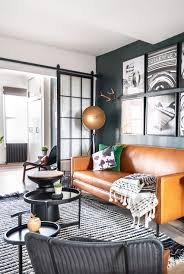
1. Embrace Multi-Functional Furniture
In small spaces, every piece of furniture should work hard for its place. Opt for a sofa bed or a storage ottoman that doubles as a coffee table. These items not only save space but also provide dual purposes, making your living room both stylish and practical. The key to maximizing small living rooms is using every inch effectively, and multi-functional furniture is a game changer.
Maximize the space with a convertible sofa. During the day, it serves as a stylish seating area, while at night it transforms into a cozy bed. This solution is perfect for small apartments or studio apartments where space is limited but functionality is paramount. Consider investing in pieces that are sleek, minimalist, and versatile to keep your space looking open and airy.
:strip_icc()/cdn.cliqueinc.com__cache__posts__191613__small-living-room-ideas-191613-1526001981902-main.700x0c-ab3bbf79e5664b22b0a1973abcd3a11f.jpg)
2. Use Vertical Space Wisely
Make the most of your walls by incorporating shelves and wall-mounted storage. Floating shelves can hold books, plants, or decorative items, freeing up valuable floor space. This technique is especially effective in small rooms where floor space is limited but vertical space is abundant.
By adding shelves above your furniture, you create extra storage without cluttering the space. You can even install wall-mounted hooks to store items like bags, jackets, or hats. Using vertical space in this way not only makes the room look more organized but also adds an extra layer of design to the room’s decor.

3. Light Colors Create an Open Feel
A key trick for small living rooms is to use light, neutral colors for walls, furniture, and accessories. Soft whites, light grays, and pastels help reflect natural light, making the room feel larger and more spacious. These colors give the illusion of openness and can easily be paired with bolder accents.
While light colors dominate the room’s palette, don’t be afraid to add pops of color through artwork, throw pillows, or a brightly colored rug. This will create contrast and interest without overwhelming the space. The trick is to keep large surfaces neutral and allow accessories to add personality.
4. Incorporate Mirrors for Depth
Mirrors are a great addition to any compact living room, as they reflect light and create the illusion of a bigger space. A large mirror on one wall can make the room feel more expansive and airy, helping to open up the space without having to add more square footage.
Consider placing a mirror opposite a window to maximize natural light and further enhance the feeling of space. A strategically placed mirror can be both decorative and functional, serving as a design focal point while also making the room feel brighter and larger.

5. Opt for Minimalist Decor
In small living rooms, less is more. Choose a few statement pieces and keep the rest of the decor simple. Avoid overcrowding the room with too many items, as this can make the space feel cramped. Instead, select key pieces of furniture and decor that bring personality and warmth to the room without overwhelming it.
A minimalist approach also helps create a serene and calm atmosphere, which is essential in small spaces. Focus on quality over quantity, and incorporate only the items that you truly need or love. This approach can make your living room feel more inviting, spacious, and functional.
6. Go for Light and Airy Curtains
Heavy, dark curtains can make a room feel smaller and more enclosed. Instead, opt for light, airy curtains in neutral tones that allow natural light to flood the space. Sheer or semi-sheer curtains are a great option, as they let light in while still offering privacy.
If privacy is a concern, you can layer sheer curtains with heavier drapes that can be drawn when necessary. This will provide flexibility and maintain the open, airy feel. Additionally, hanging curtains higher than the window frame can create the illusion of higher ceilings.
7. Declutter Regularly
A clutter-free space is essential in small living rooms. The more items you have, the smaller the room will feel. Take the time to declutter regularly and get rid of items that you don’t use or need. Keep the space tidy and organized to maintain a sense of openness.
Incorporate smart storage solutions, such as baskets, bins, or hidden compartments in furniture, to keep everyday items out of sight. An organized living room will not only look better but will also make the space feel more spacious and functional.
8. Create a Cozy Reading Nook
Even in small living rooms, you can carve out a cozy corner for relaxation or reading. A comfy armchair, a soft throw blanket, and a small side table can transform a corner into a peaceful retreat. This addition creates a warm, inviting atmosphere while maintaining the room’s spacious feel.
To maximize the space, choose compact furniture that fits the scale of your living room. You can also add a small bookshelf or wall-mounted reading light to enhance the nook’s function without taking up too much space.
9. Use Rugs to Define Zones
In an open-concept living space, using rugs can help define different areas of the room. For example, a rug under the seating area can create a cozy zone, while another rug in a different area can define a workspace or dining nook. This trick helps create a sense of separation in small spaces without the need for physical walls.
Choose rugs in light colors or subtle patterns to complement the room’s decor and create a seamless flow. Rugs are an excellent way to add warmth and texture to the space, making it feel more inviting and comfortable.
10. Keep Furniture Low and Lean
Low-profile furniture works wonders in small spaces. A low sofa or minimalist chairs will make the room feel taller and less crowded, contributing to a sense of openness. This approach also allows for more visible floor space, enhancing the overall sense of spaciousness.
When choosing furniture, aim for pieces that are sleek and simple, without heavy or bulky designs. This will ensure that the room feels open and uncluttered, even when it’s fully furnished.
11. Utilize Built-In Furniture
Built-in furniture is a fantastic space-saving solution for small living rooms. Consider adding built-in shelves, seating, or storage units to make the most of your space. These features can be designed to blend seamlessly with the room’s architecture, creating a cohesive and functional look.
Built-in units also help minimize the need for standalone furniture, which can overwhelm a small room. This design solution ensures that your living room remains tidy and efficient while still offering ample storage and seating options.
12. Add Vertical Plants for Freshness
Plants add life and color to any space, but in small rooms, you should opt for vertical plants that grow upward rather than out. Hanging planters, wall-mounted pots, or tall indoor trees can bring greenery into your living room without taking up valuable floor space.
Adding plants not only enhances the decor but also purifies the air and creates a calming atmosphere. Choose plants that thrive in low-light conditions to ensure they flourish in your living room, even if you don’t have a lot of natural light.
13. Create an Accent Wall
An accent wall can make a bold statement in a small living room without overwhelming the space. Choose a deep color, textured wallpaper, or a feature such as a gallery wall to draw the eye and create a focal point.
To keep the room feeling open, limit the accent wall to one section and pair it with neutral tones elsewhere in the room. This creates a balanced look that adds interest without making the space feel cramped.
14. Maximize Natural Light
Natural light is essential in small spaces as it makes the room feel larger and more welcoming. Keep your windows clear of heavy drapes or obstacles to allow as much light in as possible. If privacy is a concern, choose translucent window treatments that let in light while offering coverage.
Consider placing mirrors or reflective surfaces near windows to amplify the natural light and make the room feel even brighter. The goal is to create an airy, open feel that doesn’t feel confined.
15. Layer Textures for Coziness
Even in small living rooms, you can create a cozy, inviting atmosphere by layering different textures. Mix and match soft throws, textured pillows, and woven rugs to add warmth and dimension to your space. These elements create a tactile experience that makes the room feel comfortable and lived-in.
Focus on neutral or muted tones for a seamless and calming effect. Layering textures can make a small room feel much more intimate and inviting, without overwhelming it with colors or patterns.